

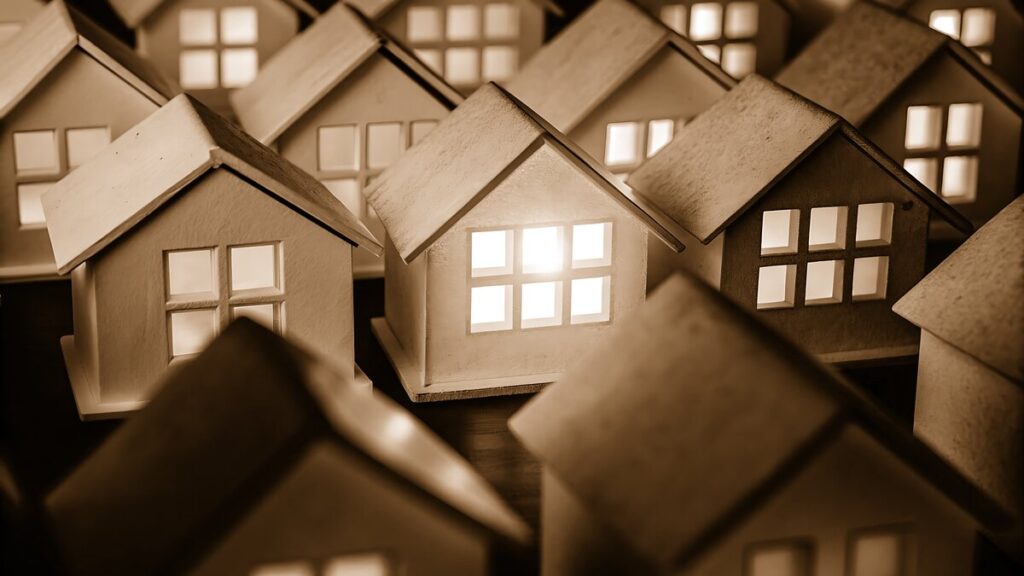
Nestled quietly in the heart of Winterville, North Carolina, Kensington at Paramore is more than just a neighborhood—it is a living tapestry woven from history, southern hospitality, and the dreams of families who have called it home. Its shaded streets, vibrant community parks, and elegant homes stand as testimonies to both the past and present of Winterville. For those eager to know what makes Kensington at Paramore special, it’s worth exploring the story of how this neighborhood came to be, its roots, and how it has blossomed through the decades.
The Origins of Kensington at Paramore
The story of Kensington at Paramore begins in the late 1990s, when Winterville was experiencing a gentle wave of growth. Until then, the area now known as Kensington at Paramore was mostly farmland, dotted with towering oaks and bordered by the old rail lines that trace back to the founding story of Winterville itself. Visionaries who saw the potential for crafting something special here began to lay foundations that would become Kensington at Paramore—an enclave designed to blend modern living with a sense of historical continuity.
How Kensington Got Its Name
The naming of Kensington at Paramore was a homage both to Southern tradition and to a deep-rooted appreciation for history. “Kensington,” evoking images of regal British neighborhoods, is a nod to the timeless architecture and stately designs that distinguish many of its homes. “Paramore” references the nearby Paramore Farm, a property that for more than a century served as both a working farm and a gathering place for Winterville’s earliest families. The original homestead, once located near today’s Kensington Drive, inspired the developers to honor the legacy of community, hard work, and togetherness in the neighborhood’s name.
Key Historical Milestones
- Early Development (late 1990s – early 2000s): Construction of family homes, many featuring brick façades and welcoming front porches, began in earnest on Kensington Drive and neighboring streets like Windsor Court and Manchester Drive. Early buyers were often young families attracted to Winterville’s excellent school district and quiet atmosphere.
- Formation of the Residents’ Association (2003): As the neighborhood grew, so too did the sense of community. The Kensington at Paramore Residents’ Association formed to coordinate neighborhood watch efforts and social events, strengthening the bond among neighbors.
- Establishment of Kensington Park (2005): A proud milestone came with the opening of Kensington Park, a green oasis at the heart of the subdivision. Featuring a playground, shaded benches, and a walking path that winds around mature maples, the park quickly became a favorite gathering spot.
- Recent Enhancements (2015-present): The last decade has seen upgrades like improved lighting along Paramore Drive, celebrations of neighborhood milestones, and beautification projects spearheaded by local families.
Notable Landmarks and Buildings
While Kensington at Paramore is primarily residential, it takes pride in several neighborhood gems:
- The Historic Paramore Farmhouse: While the original house no longer stands, residents hold dear the memory of the old Paramore Farm, and some original brickwork was incorporated into the entrance sign to the neighborhood. The farmhouse’s legacy is celebrated each year with a spring block party, often featuring historical reenactments.
- Kensington Park: Located off Kensington Drive, this park is both a landmark and a symbol of shared heritage. The park hosts seasonal festivities, including autumn pumpkin walks and summer movie nights under the stars.
- Classic Architecture: Many homes along Windsor Court and Manchester Drive carry subtle references to Victorian and Craftsman styles. Wide porches, decorative moldings, and tree-lined streets reflect a deliberate attempt to echo the timelessness of the area’s agricultural and architectural history.
- Nearby Institutions: While not technically in the neighborhood, the proximity of A.G. Cox Middle School and Winterville Library has further bonded residents to the surrounding Winterville community.
Evolution Through the Decades
Kensington at Paramore has aged gracefully, much like the old trees that line its sidewalks. In its first decade, the neighborhood attracted buyers seeking the charm of quiet streets and quality schools. As families grew, the neighborhood adapted: play areas were expanded, pedestrian-friendly paths were created, and the tradition of monthly potlucks and yard sales took root.
Today, you’ll find multi-generational households, retirees who helped found the community, and new arrivals drawn by the area’s reputation for friendliness and safety. Modern upgrades—such as fiber optic internet and energy-efficient home renovations—blend seamlessly with the neighborhood’s classic aesthetic. The strong identity of Kensington at Paramore is kept alive by community newsletters, a vibrant social media group, and ongoing projects that preserve green spaces and celebrate shared history.
What Makes Kensington at Paramore Special
Ask any longtime resident, and you’ll hear stories of block parties where everyone knows your name, afternoons spent watching kids race their bikes down Kensington Drive, and neighbors who step up during times of need. The blend of historic reverence, caring community, and modern sensibility creates a unique sense of belonging.
Weekly walks through Kensington Park, annual celebrations, and shared efforts to beautify the common spaces all contribute to the special feeling in the air. The echoes of the Paramore Farm and the careful planning by the first residents live on, ensuring that Kensington at Paramore remains not just a place to live, but a place to love and remember.
Preserving the Past, Embracing the Future
Kensington at Paramore stands as a testament to the idea that neighborhoods are built not just with bricks and mortar, but with memory, care, and vision. As Winterville continues to grow and change, the residents of this cherished enclave work diligently to retain the sense of home and heritage that has defined Kensington at Paramore for over two decades. It remains, lovingly, a snapshot of southern history nestled in the heart of a thriving town—one porch light at a time.